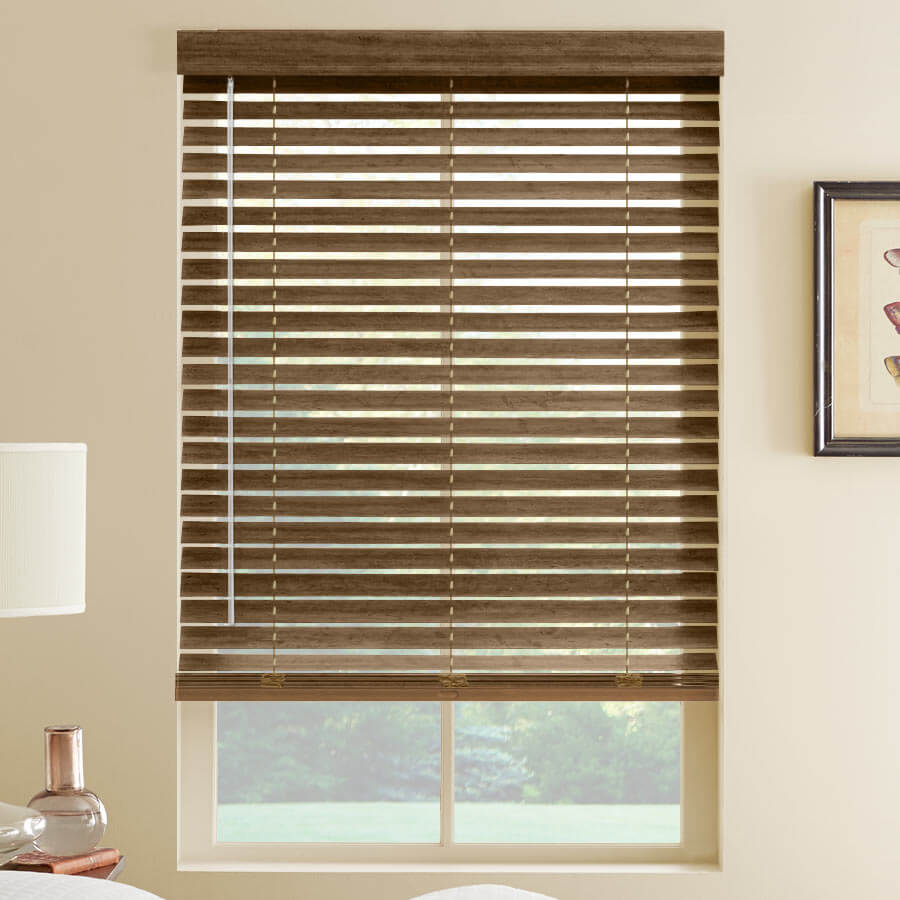
The sun is the main currency of Australian homes. We want to enjoy its warmth and jollity, but have to manage the more challenging aspect of it that is the abrasive UV radiation and penetrating temperature that can fade away a beloved rug and turn an area into a hot, midday sun. Blinds are not just about privacy or style. They're also an essential choice for protection against the elements. Your blinds will be your main shield against the Australian sunshine. Understanding how materials control the effects of heat and UV will aid in maintaining your interior comfort, as well as your cooling budget. It is essential to select the right barrier, not just the cover.
Our windows are a double-edged sword. The second is ultraviolet radiation. In Australia it's one of the strongest in the world. This invisible energy doesn't simply give you a sunburn; it also breaks down molecular bonds in fabrics and dyes. It's this invisible force that can fade artwork and photographs behind their glass, turning the vibrant cushioning in red to pink. The other is the solar heat gain. The infrared radiation transforms the glass into radiant heaters. This heat can flood your rooms and force air conditioners to work overtime which can increase the cost of energy. A blind that only offers shade will only win only half the battle. The most effective blinds are designed to handle both light and thermal energy.
The basic protection begins with filters for light. Simple non-lined fabric like Roman or roll-up blinds can soften glares and provide privacy but only provide a minimal amount of protection against UV and Heat. The curtains are made to shield eyes from the sun but not the energy. Find weaves and materials specially designed to provide real protection.
Sunscreen or filter weaving is the most popular. It is made from synthetic mesh that is typically coated with PVC. The most impressive feature of this fabric lies in its specific filtering. It disperses bright sunlight to create an ethereal, soft glow. This helps you stay connected to the outside and blocks harmful UV radiation. It acts like a permanent size, window-sized pair of high-quality sunglasses. For rooms where you want light, but without causing damage - living areas, home offices, sunrooms--this is the intelligent, modern choice. The effectiveness of this product is measured by its opening Factor and UV Blockout rating.
In cases that require complete defence blocking material is the most effective option. Blockout materials are a densely, tightly woven fabric, typically backed by an acrylic or rubberized layer. These fabrics block nearly all sunlight (99.5 percent+), as well as UV Rays. If fully lowered they create an effect of darkness, which is ideal for bedrooms and media rooms. They also provide a significant thermal insulation. They decrease the transfer of heat by creating the appearance of a solid air barrier at the windows. This keeps summer heat out, and winter heat in. The most modern versions come with a reflective, often metallic, backing that actively redirects solar energy off the glass.
Structure is also a key part. Cellular or honeycomb blinds are a good example. Their unique hexagonal folds are engineering marvels. The air pockets in these pockets trap heat and form an insulating layer. You could think of it as a double-glazing blind. These blinds offer excellent UV-protection through their dense fabric wall and provide superior thermal performance all year round making interiors warm in the winter months and cool during summer. They are also the most energy efficient.
It's essential to look at more than just the colour on the front. Ask about the composition and the treatment. Synthetic fabrics that are dyed with solution (like acrylics and polyesters) have colour embedded in the fiber, making them more resistant to fade than fabrics with dye applied to the surface. It is possible to tell whether UV-inhibitors were added during the manufacturing process by looking for any mention of it. The quality and thickness of the blind determine the longevity and durability of the vinyl or PVC blinds.
Your dialogue with a supplier needs to shift from a subjective ("I like this color") towards the more objective. Ask questions like "What UV block percentage is specific to this fabric?" Is there a thermal or a reflective backing for the fabric? "What is expected fade life for a product used in a north facing window?" The answers to these questions are supplied by a trusted supplier. They'll also inquire with you to describe the area of your window as well as what it is that you would like to guard. They will know that blinds for a bedroom with a south-facing view as well as one that is for a lounge that faces north with a silk sofa will require different suggestions.
The most important, but often ignored aspect is the operating and fit. The most modern materials are compromised because of gaps. To prevent fading, a professional installation ensures that your blind has been put in place correctly. In the same way, user-friendliness determines how often a blind is used. A blind that is heavy will usually remain open, which defeats the purpose of it. Smooth, cordless, or motorised operation encourages daily use as a matter of course rather than a chore.
A long-term investment in blinds which provide thermal and UV protection will pay off. This is a way to invest in the protection of your flooring, furniture and artworks. It is an efficient investment, as it reduces the stress on your cooling systems, while also reducing the cost of energy. And it is an investment in liveability--creating comfortable, glare-free spaces that are a joy to inhabit throughout the day's changing light.
In the Australian context where the sun has a powerful and continuous presence, your blinds are more than just decoration. They're a vital component of the temperature control. Choosing the best material means that you let the sunlight into your home at your own pace. You will be able to enjoy the view for free and the colours will be bright. Shades are a fantastic instrument for creating a cozy and sustainable lifestyle. View the best blinds for more info including window covering store, order custom shutters online, perfect fit blinds direct, blinds in store, order custom shutters online, perfect fit blinds direct, local blinds, quality direct, the blinds store, all the blinds and more.

How To Evaluate The Blind Provider You Choose With More Than Just The Brochure
The Australian blinds market isn't simply a purchase. It's an agreement. The measurements will be in line, the installation will be perfect The motor will run continuously for years, and if something goes wrong and needs to be repaired, it will be done. Fabric samples are real, however, service, expertise and honesty aren't. Always conduct extensive research before contacting a supplier to inquire about fabrics or quotations. The credibility of the supplier in your area is the first option when dealing with a field in which a mistake could cause a blind to malfunction or doesn't work or is badly fitted.
Modern consumers start with online reviews. However, they should be scrutinized for accuracy, not based on the stars. It is just as suspicious as a high-scoring review to have a perfect score of 5.0 with just a few reviews. Look for volume and patterns across multiple platforms--Google My Business, ProductReview.com.au, and Facebook. Don't only read the glowing testimonials. Examine the 3- and 5-star reviews. The supplier's character is revealed in this section. Do they respond defensively and with blame or do they acknowledge the issue and outline a solution? A business that commits publicly to resolving a problem shows accountability. You should look for praise that is specific to the issue you are trying to fix: "Their installation, Mark, was meticulous, and they cleaned the site flawlessly," or "They dealt the issue of a manufacturing delay in a transparent manner and kept me updated." These particular comments are much more valuable than hundreds of "Great job!" comments.
But, online reputations can be managed. In this scenario, time is an important and powerful old-world measurement. You can depend on a local supplier who has been serving generations of homeowners, has navigated many economic cycles and has been adept at adapting to the changing safety standards. They have likely dealt with the inevitable issues - such as the wrong fabric being shipped from the warehouse, or the window being too small and have devised strategies to prevent these issues. They are likely to have established close, solid relationships with manufacturers, this provides them with greater power when it comes to warranty claims and access to premium components. The fact that their business has been operating for a long time shows their commitment to the field. They can't afford to do a bad job and then switch their brand name in the course of one year.
Examining their work portfolio in your region is the next stage. A trustworthy company should be able to supply examples from your local area as well as not just from the catalog. Ask directly: "Can You Show Me examples of roller blinds you've put in a window with a traditional style similar to Mine?" Do you have photos of an automated system you've installed in your modern open-plan living space? They could show their ability to carry out by presenting these. Better yet, ask if they can coordinate an on-site visit to the completed project or provide contact details for a past customer (with permission). The ability to see the completed product, inspect the installation, and speak directly from the homeowner is invaluable. It shifts the conversation from theoretical to actual outcomes.
Your direct consultation goes beyond the three foundations. It is an audit in real time. A trustworthy provider is more than an exchange. It's a learning experience. They must be as thorough as is possible in asking questions about the layout of your home, your daily routine, your worries about pets and children as well as your long term vision. The company should insist they visit the site for any window bigger than the size of a standard window as measuring by the floorplan is not always a good idea. The quote should be specific and include breakdown of supply, measuring, installation, and any ancillary costs for things like extra child safety devices or custom brackets. This lack of detail is a big red flag.
Be deeply wary of the "too-good-to-be-true" quote. Blinds are a very competitive business. A lot of blinds manufacturers are only competing on cost. They rely on inferior products imported from abroad and do not have local inventory. They subcontract the installation to bidders with the lowest price, offer warranties that are almost impossible to keep or enforce. The real cost of blinds which fade after a couple of months, motors that fail in the last few minutes of a refund window, and installers that leave an unclean floor and do not answer the phones is the information you discover in the future. The price of a reputable provider is based on the local wage for professional installers, top quality products that are Australian-compliant, as well as the cost of keeping a physical presence in the areas where they are.
The selection of blinds providers in Australia is ultimately a risk-mitigation exercise. You are investing hundreds, or even thousands of dollars in a custom product that will be a long-lasting component of your home. The name of a company is a common memory of how they have fulfilled this obligation over time. It's your best gauge of how they will honour it for you. It tells you they will take the time to measure twice, set up with care, stand behind the work they have done, and be available to answer the phone within six months or six years. In an age of digital storefronts and fleeting gig-economy services, a local company with a solid, tested reputation can provide you with a priceless certainty. This is your assurance that you will get the exact blind you see that you see in the catalog in your home. The peace of mind that you get from this should be the very last and most important point in any quote.