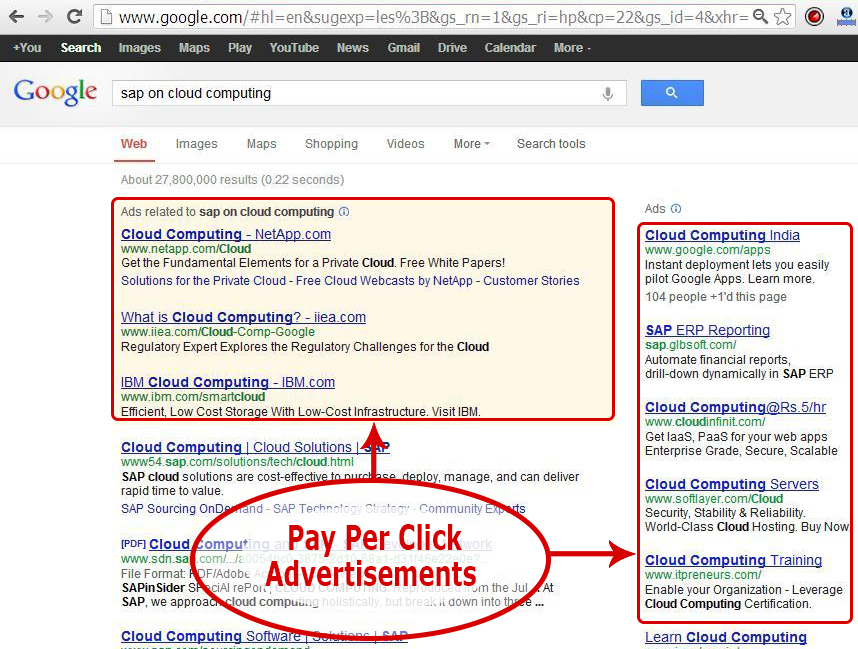
The hiring of a PPC company is a significant investment. The determination of whether the investment is repaid is more complicated than looking at the arrow-filled report each month. To assess the performance of an agency it is essential to look at the scorecard in a balanced manner with important performance indicators that are directly connected to your company. These metrics must provide an accurate picture of efficiency, profitability, as well as strategic health. These metrics can help you engage in productive discussions with your partner agency. They should be held accountable for results that matter and informed choices can be made about the future. The 10 metrics listed below offer the framework for determining if your agency really drives growth or simply manages campaigns.
1. Return on Ad-Spenditure (ROAS) or Return on the investment.
These are the ultimate benchmarks to gauge the level of efficiency. ROAS (Revenue/Ad Spend) measures direct revenue for each dollar spent on marketing. ROI (Revenue/Cost) that includes the cost of agency and product fees, gives a much more comprehensive picture. A successful agency is one that actively works to improve the ratios. They should be able to explain the strategies behind their numbers and demonstrate how they are directly contributing to the bottom line of your company instead of just producing unprofitable revenue in the middle.
2. Cost per Acquisition (CPA) is a measure of cost per acquisition (CPA) as compared to the target CPA.
While ROAS/ROI focus on the overall performance of your business, Cost Per Acquisition (Total Ad Spend and Total Conversions) is a measure of the effectiveness of your campaign to achieve a particular action. A comparison of the CPA and a set goals is vital. This is defined by the appropriate cost for your company to gain a client, which should be based on your margins as well as the lifetime value of your customers. This is a great sign if the agency can consistently meet or exceed this target as they scale size.
3. Conversion Rate and Volume.
Both metrics should be considered in conjunction. Conversion Rates (Clicks / Conversions) are a powerful measure of the effectiveness and relevance of your landing pages and advertisements. A higher conversion rate indicates the agency is effectively qualifying visitors and creating an engaging user experience. If the volume of conversions is low an extremely high conversion rate means nothing. The agency must strike the right balance between driving enough conversions of high quality at a rate that is effective. A decrease in either of these areas is a cause for some strategic thought.
4. Click-Through rate (CTR) & Quality Score
The Click-Through rate (Clicks/Impressions) is an indicator of the quality and value of your advertisement to the viewers. A high CTR is a sign of a successful keyword target and compelling advertisement. This directly impacts Google's Quality Score. Quality Score is a test instrument that assesses your ads and your landing page's quality. A higher Quality Score results in lower costs per click as well as better positions for advertisements. If your agency is continuously improving their campaigns you should be able to demonstrate that the Quality Score of all core keyword groups has been steady or has been increasing.
5. Top Image and Impression Share Rate
These numbers reveal your market presence and your standing in the marketplace. This measurement shows how much of the viewers you're reaching. A low percentage could indicate inadequate budget or a low rating. It is essential to have the highest Top Impression percentage ( percent of your impressions on the first ad position above organic results). It will tell you whether your property is the most expensive. It is essential to ensure that your agency has an effective and cost-effective plan to improve the indicators.
6. Cost Per Click (CPC) Trends.
Instead of looking at CPC in isolation look at its trends over time. Does the agency manage to maintain, or even reduce average CPCs and still maintain or improving its performance in another area (like CTR or Conversion Rate)? This demonstrates mastery of bidding strategies and keyword optimization. A steadily rising CPC without any improvement in the quality of conversions is a red signal that needs to be investigated.
7. Test of Account Activity Velocity.
This measurement measures the agency's proactiveness. Accounts that are stagnant will die. It is crucial to look over change logs for your account on a regular basis. How many test ads are running each month? What frequency do they update or revise their negative keyword lists? Do they test new bid strategies, audience segments, or refine the negative keywords list? A highly-performing agency will maintain a consistent pace of research, capturing its hypotheses and findings to foster a culture where data is used to guide continuous improvement.
8. Lead Quality and Post Click Performance.
For lead generation firms agencies, their work isn't done when a form is filled out. You need to create a feedback loop to measure lead quality. It is possible to track this via metrics such as the Sales Qualified Lead rate (SQL), or by giving your agency a qualitative score of leads from the sales staff. If an agency produces an excessive amount of leads that are not of high quality, it suggests that the message and target aren't aligned with your ideal buyer profile. It is their responsibility to fix this.
9. Performance Year-Overyear and Quarterly Overquarter (QoQ).
When comparing performance with the prior period, you can filter out seasonal fluctuations which month-over-month numbers may be missing. Even if month-to-month numbers fluctuate, if Q4 results this year show a 20% increase in ROAS compared to Q4 of last, then that's an indication of growth. An approach that is long-term is essential for evaluating sustainability.
10. Alignment with the Broader Business Key Performance Indicators (KPIs).
The most advanced evaluation of PPC performance directly to larger business goals. This is in addition to online metrics. Does the work of agencies help to increase general brand recognition, as measured by branded searches? For e-commerce, are they aiding in attracting new customers vs. relying on remarketing? For brick-and-mortar, can the conversions of their store visits be linked to the increase in foot circulation? The best agencies can improve their marketing campaigns to take advantage of these business-level effects. Follow the recommended top ppc agencies info for blog examples including pay per click company, google pay per click advertising, google ppc pricing, google advertising fees, leads from google, google adwords ppc campaign, google ads agency, ads branding, google advertising cost, google agencies and more.

Top 10 Tips For Effective Communication And Collaboration With Your Ppc Agency
A successful relationship with an PPC agency is based on more than just their technical expertise--it relies on a solid foundation of constant, efficient communications and cooperation. If both parties are in alignment and in sync, the agency will function as a true extension of your marketing team, firmly understanding your business and driving positive outcomes. Ineffective communication could lead to misaligned goals, wasted budgets, and anger on both parties. When you establish a solid collaborative practice at the beginning creating a collaborative environment where feedback is freely exchanged and goals are discussed, and the collective focus remains on achieving your business objectives. The following ten tips provide an effective framework to foster the kind of productive relationship that maximizes the return of your PPC investment.
1. Create a Single Point of Contact and clear Communication Channels.
To avoid confusion and mixed messages, choose one person on your team as the primary point of contact with agency's account manager. This helps to streamlining information flow, keep coherence and stop the agency from getting multiple requests from various departments. Find the main channels of communications (e.g. email for requests that are formal, Teams/Slack to answer quick questions, and a project manager tool to manage projects) with your colleagues, and stick to the channels you prefer. You can keep important information from being lost within chats or inboxes which are overflowing with.
2. Set out and document the shared goals and KPIs starting from Day One.
The most crucial collaborative act is to align with what success is. Before you launch campaigns, organize a meeting focused on setting specific achievable, quantifiable, and realistic goals. Instead of agreeing to "increase the sale" opt to "achieve 15% more online revenue within the first three months, with a target ROAS of 400%." These agreed-upon Key Performance Indicators (KPIs) serve as the guiding light for all strategic choices and offer a logical basis for assessing performance, ensuring both you and the agency are working toward the same outcome.
3. Set up a Meeting Structure that includes Agendas.
A consistent approach to your work is essential. Create a routine of meetings that include a weekly or biweekly calls for questions that are urgently addressed as well as a monthly strategic review. Each meeting should be able to clearly define the agenda, which is communicated ahead of time. A monthly review must be focused on the results against the KPIs, review of the month's accomplishments as well as planning for the upcoming cycle. This format allows discussions to be forward-looking and strategic while also maximizing time.
4. Don't just give data, But Also Context.
You are more knowledgeable about your company than the PPC experts at your agency. Do not just send an Excel spreadsheet of sales; give the context. Inform them about new products or promotions or inventory issues, problems with PR coverage, even negative customer feedback. This allows them to take action. They can stop campaigns when stock is low or take advantage of an increase in brand search volume or adjust messages to combat any negative reviews.
5. Establish a culture that is open and Honest Feedback.
Create a culture where both positive and constructive feedback will be encouraged. Instead of making excuses, talk openly about the underperformance of a campaign in order to identify the issue. Also, give feedback on the communication style of the agency and reporting. Let them know what's working and what could be improved. It should be a mutually beneficial relationship. Encourage your agency to be transparent about their procedures, such as the speed at which they approve copy or supply assets.
6. Access and Information on a timely Basis for the Agency.
Consider the agency as a trusted partner by granting them access to the information and data they need to be effective. This includes administrative access for your ad platforms as well as analytics, as well as shared files with style guides, brand guidelines and images of products. The delay in supplying the login credentials or completing creative assets could delay campaigns and optimizes and negatively impact the performance.
7. Establish Realistic Timelines for Requests and Approvals.
PPC is a fast-paced industry, and delays are costly. Work with the agency to develop a service level agreement for reviews and approvals. For example you could be able to review ad copy as well as landing pages in 48 hours. This helps to manage expectations of both parties, and keeps campaigns from stalling. This lets you organize the internal review process in order to adhere to these deadlines, and also ensure that the agency keeps its efficiency up.
8. Share insights from different business channels.
PPC isn't operating in an environment of bubbles. Be sure to share information from other business and marketing channels. What themes are you seeing during your sales calls and meetings? What content is resonating on your social media channels? What are the most popular keywords according to your SEO agency? These data could prove to be gold for your PPC agency. They can offer new ways to use keywords and copy angles as also audience targeting options they may not have considered on their own.
9. Trust Their Expertise and Avoid Micromanagement.
You hired the agency to gain their expertise, so trust them to do their job. Avoid the temptation to manage daily bids in a micro-manage or keyword additions. Concentrate on the business results instead of prescribing strategies. Instead of telling the world, "Add these 50 keywords," say, "We are launching a service line that focuses on enterprise clients. Let's discuss ways to create a strategy to connect with this market." The agency will then apply their knowledge to help you meet your objectives.
10. Consider the relationship as a long-term partnership.
The most notable PPC results are usually obtained through continuous, incremental improvements over time. Take the relationship in a long-term, partnership mindset. Review annual and quarterly plans and not just monthly results. This helps to think bigger and enables more ambitious tests. This also increases trust and commitment. When both partners are invested in the same long-term vision then collaboration can become more strategic, and the outcomes are more substantial. See the recommended top ppc agencies for website recommendations including ads account, ppc company, sign in ads, google adwords campaign, pay per click advertising agency, ppc management companies, google display adverts, google and ads, google ads for business, google and ads and more.